Fat loss or body mass loss in general is a 4 phase process:
- Phase -1 – GLYCOGEN DEPLETION. Glycogen Depletion: ...
- Phase -2 – FAT LOSS. This is the sweet spot for healthy weight loss. ...
- Phase -3 – PLATEAU. ...
- Phase -4 – METABOLIC RECOVERY. ...
- All the Phases of Weight Management:
How long does it take for you to notice weight loss?
The first stage of weight loss is when you tend to lose the most weight and begin to notice changes in your appearance and how your clothes fit. It usually happens within the first 4–6 weeks ( 1 ).What are the first signs of weight loss?
10 signs you're losing weight
- You're not hungry all the time. ...
- Your sense of well-being improves. ...
- Your clothes fit differently. ...
- You're noticing some muscle definition. ...
- Your body measurements are changing. ...
- Your chronic pain improves. ...
- You're going to the bathroom more — or less — frequently. ...
- Your blood pressure is coming down.
How do I know if Im making progress weight loss?
Some important signs of progress in weight loss, according to Dr Bhasker:
- You won't get cravings or hunger pangs all the time. ...
- You start fitting into your favourite clothes. ...
- You feel more active. ...
- Getting rid of unhealthy practices.
Where do you lose weight first?
Generally weight loss is most noticeable early on in areas where there is little fat, such as the clavicles. Women tend to lose weight all over, and experience fat loss first in their belly, breasts, and arms. Generally the last area they lose weight is from their lower body (hips and thighs).Weight Loss and Body Changes
What is the hardest place to lose fat?
As against areas such as legs, face and arms, our stomach and abdominal regions possess beta cells that makes it difficult to reduce the fats easily and lose weight in these areas. However, as per research, belly fat is the most difficult to lose as the fat there is so much harder to break down.How does fat leave your body?
Your body must dispose of fat deposits through a series of complicated metabolic pathways. The byproducts of fat metabolism leave your body: As water, through your skin (when you sweat) and your kidneys (when you urinate). As carbon dioxide, through your lungs (when you breathe out).Is your poop different when you are losing weight?
Healthful weight loss diets usually include lots of fruits, vegetables, and whole grains. These are all high in fiber. Including more fiber in the diet can increase stool weight and encourage more regular bowel movements. Because of this, a person following a weight loss diet may have bowel movements more often.Where does fat go when you lose weight?
During weight loss, fat cells shrink in size as their contents are used for energy, though their numbers remain unchanged. Byproducts of fat loss include carbon dioxide and water, which are disposed of through breathing, urination, and sweating.Why is my weight loss so slow?
Your slower metabolism will slow your weight loss, even if you eat the same number of calories that helped you lose weight. When the calories you burn equal the calories you eat, you reach a plateau. To lose more weight, you need to either increase your physical activity or decrease the calories you eat.Does your stomach shrink when you lose weight?
Once you are an adult, your stomach pretty much remains the same size -- unless you have surgery to intentionally make it smaller. Eating less won't shrink your stomach, says Moyad, but it can help to reset your "appetite thermostat" so you won't feel as hungry, and it may be easier to stick with your eating plan.Can you feel your fat burning?
We can't feel fat burning because fat and muscle are not the same type of tissue. Muscle is made of contractile fibers that can create tension, while fat does not have a lot of tension. Additionally, the brain is not wired to sense fat burning because it does not have any receptors for that.Do you poop out fat?
We do lose a bit of weight when we poop, but it's not an effective way to lose the weight that really affects our health: body fat. Experts say fat that accumulates around the waist is the most dangerous type of body fat. This fat is called visceral fat.Do you lose weight when you sleep?
Summary. People do lose weight during sleep. However, this is mostly due to water loss through breathing and sweating. While individuals do not burn much fat during sleep, sleep is a fundamental component of well-being, and a lack of it can make maintaining a moderate weight more difficult.Is walking good for weight loss?
Physical activity, such as walking, is important for weight control because it helps you burn calories. If you add 30 minutes of brisk walking to your daily routine, you could burn about 150 more calories a day. Of course, the more you walk and the quicker your pace, the more calories you'll burn.What color is urine when burning fat?
Under normal circumstances, the color of urine ranges between yellowish-pale and a clear hue. However, if your body is going through a fat-burning process, the color often changes to bright or darker colors, which can also be associated with dehydration.Does your face lose weight first?
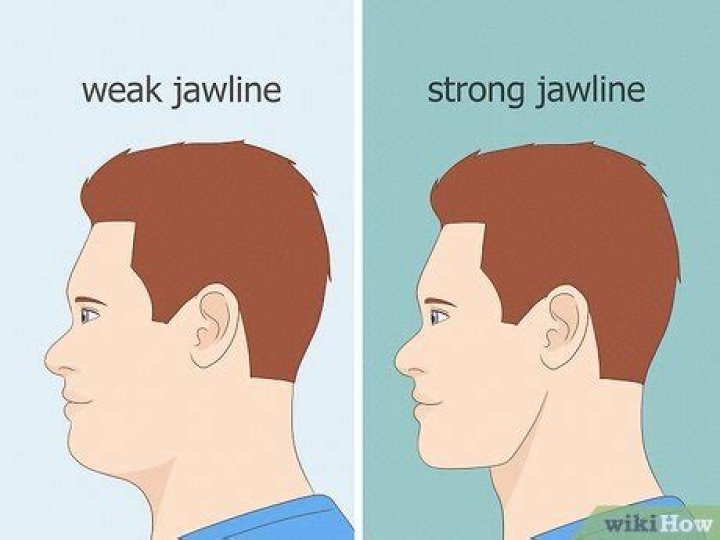
While everyone loses weight differently, dropping as little as 3 to 5 pounds can show up on your face first, Eboli says. That's because when you exercise your whole body (and eat healthy), you burn fat all over.Does drinking water help you lose weight?
Water can be really helpful for weight loss. It is 100% calorie-free, helps you burn more calories and may even suppress your appetite if consumed before meals. The benefits are even greater when you replace sugary beverages with water.When should u weigh yourself?
The Best Time to Weigh YourselfMost researchers agree that it's best to weigh yourself first thing in the morning. That way, you're more likely to make it a habit and be consistent with it. Weighing yourself in the morning helps especially with age-related gains, which can be more difficult to control.
Why do you weigh less in the morning?
In the morning our stomach is empty and the body's water is lost through sweat, respiration and urination. Due to these factors, we feel lighter.How often should I weigh myself?
Weigh yourself once a weekWith daily water fluctuations, body weight can change drastically on a day-to-day basis,” says Rachel Fine, registered dietitian and owner of To the Pointe Nutrition. “Weighing yourself at the same time on a weekly basis will give you a more accurate picture.”
Does sweating burn fat?
Though sweating doesn't mean that you're burning fat, the internal cooling process is a sign that you're burning calories. The main reason we sweat during a workout is because the energy we're expending is generating internal body heat.Which foods make you burn fat?
Here are 11 healthy foods that help you burn fat.
- Fatty Fish. Fatty fish is delicious and incredibly good for you. ...
- MCT Oil. MCT oil is made by extracting MCTs from palm oil. ...
- Coffee. Coffee is one of the most popular beverages worldwide. ...
- Eggs. ...
- Green Tea. ...
- Whey Protein. ...
- Apple Cider Vinegar. ...
- Chili Peppers.